

Understanding Wines on the Sweeter Side
Sweet wines, both sweet white wine and sweet red wine were a big deal until recent history, in fact they dominated wine production and were drank far more than dry wine. Known for its sugary taste, these wines come in many varieties. In this guide, you’ll learn about different types of sweet wines, from sparkling to fortified, and discover some of my top recommendations for each.
There are dozens of categories of quality sweet wine – many unknown even to citizens in the countries where they are produced.
There are hundreds if not thousands of high quality sweet and semi-sweet wines waiting to be discovered!
I’ve had the pleasure of tasting a few memorable quality sweet and semi sweet wines and met with some of the producers. I will include these in the recommendations while we explore the wines by country, category and region in subsequent articles.
The first in the series will focus on Bordeaux, please read that HERE.
But let’s not get too far ahead, I believe this first article is a worthy aperitivo in the multi course meal: a series of posts on our ‘Honey Wine to Everything Wine & Honey’ Blog.
It’s best to whet your appetite before sipping with a good read!
Wine Sweetness Level – Changing Preferences with Time
The change to drier wines happened gradually, compounding rapidly and unnoticed, and then seemingly, all of a sudden. The ancient Greeks & Romans and other civilizations drank almost exclusively sweet wines as it was easier to store, since sweet wine does not oxidize nearly as fast as dry wine (mainly due to the higher osmotic pressure of sugar (this is why a sugar syrup is used to preserve canned fruits for example).
Also, corks were widely used starting only in the 16th century … so before that oxidation was a serious issue. Moreover, sweet wines have historically been the staple wine of the Christian Eucharist, especially in Catholic traditions.
Now let’s start with two astounding facts …one from California and the other one from Bordeaux.
Sweeter Side Wine in New World
California is the biggest producer of wine in the United States, by far and prior to 1968, there were more sweet wines produced in California than dry wine (although a vast majority of this was low quality).
Old World Obsession of the Sweetest Wine
On the opposite end of the quality spectrum in terms is Bordeaux, the premier wine region of the world and the mainstay of investment grade wines. Before 1940 Bordeaux production was as high as 35% sweet wine, but production has precipitously declined to only about 1 percent today! Note, sweet wines were not just a 1940’s fad in Bordeaux …
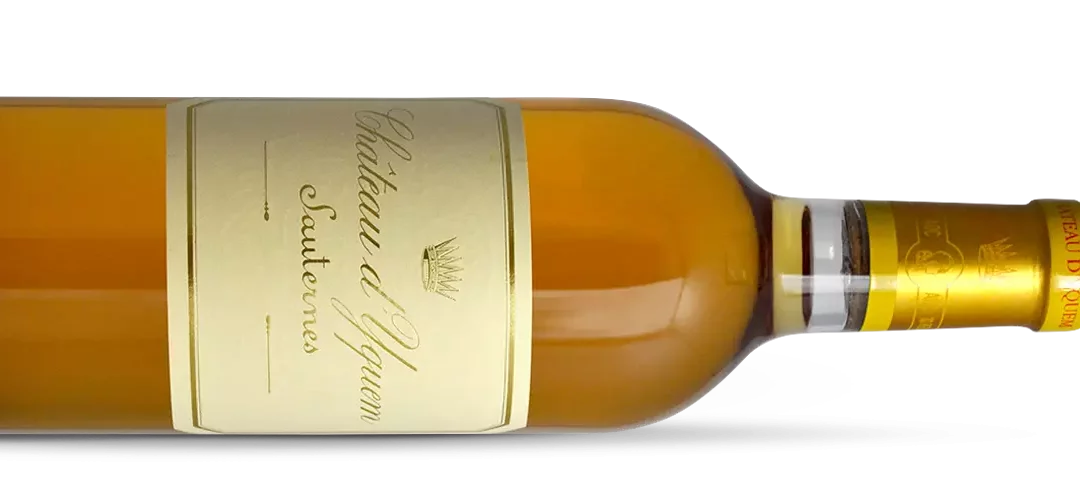
To give you an idea of how ingrained sweet wines were in French culture, the widely acknowledged best producer, Château d’Yquem (the first sweet Bordeaux classified as Premier Grand Cru), mentioned sweet wines as early as 1816.
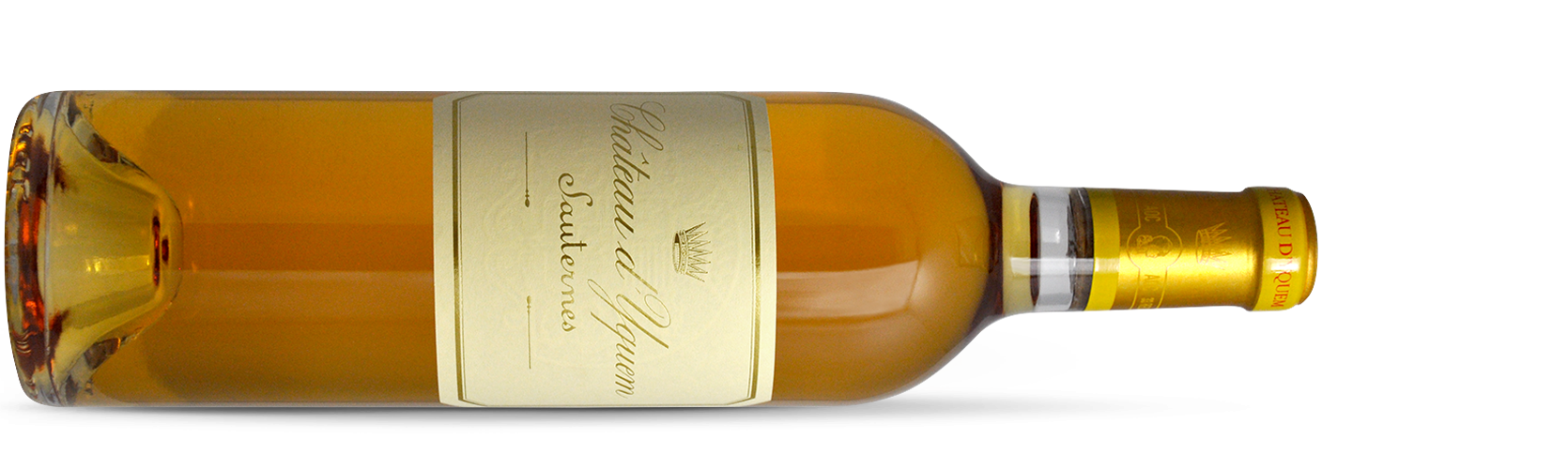
Château d’YQUEM, Sauternes 1er Cru Supérieur 2008 Magnum 150ml (~$700)
Honey Wine
Interestingly, honey wine, the most ancient wine, or wine-like drink, suffered the same fate globally (one exception is Ethiopia where it is still consumed as a national beverage). If you’re open to learn about this fascinating non-grape wine found around the world, there’s more in our award winning book The Celebrated Story of Honey Wine (free, 1-click, e-book or audiobook).
Sweet Sparkling Wine
These are truly my favorite and the reason I embarked on making a world-class semi sweet (demi sec) sparkling wine myself. Sparkling sweet wines add a festive touch to any occasion with their bubbly effervescence and delightful sweetness. Moscato d’Asti — which I sampled in a video tasting – you can also link to that video from the blog article focused exclusively on Moscato wines — is a gently sparkling wine that retains a natural sweetness due to its lower alcohol content. This Italian gem is perfect for those who enjoy a wine that is both refreshing and sweet.
Demi-Sec Champagne is another sparkling wine that falls into the ‘off-dry’ category, containing more residual sugar than brut styles, thus offering a sweeter taste. The unique carbonation and flavors of sweet sparkling wines like Moscato d’Asti and Demi-Sec Champagne make them appealing to various palates, including off dry wines.
Grape varieties also play a role in the sweetness of these wines. Muscat grapes, for example, are famed for their sweet aromas, enriching the overall experience. Next time you’re celebrating, a bottle of sparkling sweet wine can elevate the occasion.
Rich and Sweet White Wines
Semi-Sweet White Wine
The choices of quality sweet white wines around the world are frankly endless. The well known semi-sweet varieties of Riesling, Moscato and Gewurztraminer can be found at your local supermarket. Yet you will not find Frascati Cannellino (not a chance!) – a tiny DOCG southeast of Rome, and nor will you find our Demi-Sec still or Demi-Sec sparkling honey wine.
Sweet or Dessert White Wine
Truly sweet wines, or dessert wines (like Sauternes) are known by many throughout the world, yet there is a vast universe of obscure gems beyond Sauternes. Take sweet Mavrodaphne for example: In the 19th century (1854 to be exact), German-born Gustav Clauss settled around Patras in Greece and started making the first of its kind, and the tradition continues today!

Gustav Clauss, the Father of Mavrodaphne
The Role of Botrytis or Noble Rot
Some of the best and most expensive sweet dessert wines in the world are made with ‘late harvest’ grapes with botrytis. Noble rot, as it is also called, occurs when the botrytis fungus affects healthy & ripe grapes.
The rot feeds on water in grapes so it concentrates flavors & sugars, effectively helping to dry out the grape. This decreases the yield and is one of the reasons some sweet wine can be very expensive.
Undesirable grey rot on the other hand happens when botrytis visits non healthy and/or unripe grapes. In the case of unripe grapes, it stops the ripening process.
Any presence of rot disappears during the fermentation process, but the flavors left behind in the wine include orange peel, dried apricots, raisins and marmalade.
Sweet and Semi Sweet Red Wines
Besides Port, you really don’t see any other Sweet and Semi-Sweet Red Wine on the shelves of your everyday supermarket or wine shop. However, there are many sweet and semi sweet red categories. The fact they exist and are even less known than sweet and semi sweet whites makes them even more interesting! So there is dedicated separate article for them (coming soon).
Food Pairings with Sweeter Wines
The foods and occasions paired with these wines are as varied as the sweet wines themselves.
Semi-sweet wines that start with 10-15 grams per liter of sugar are best consumed during meals and spicy foods are a classic pairing. Likewise, chilled semi-sweet wines are a delightful aperitif, especially those with slight effervescence.
Strong cheeses (with dessert) or as dessert themselves are general recommendations for truly sweet wines like the viscous German Auslese and Hungarian Tokay which can have well over 150 grams per liter!
Final Thoughts
Sweet wines and honey wines have had a glorious past. As overall wine consumption is currently in decline, perhaps this is the opportunity for the sweets to stage a comeback?
Regardless, let’s explore more of them together –
Stay Tuned & Stay Forever Sweet, Cheers!
Ayele Solomon Bee d’Vine Winemaker